

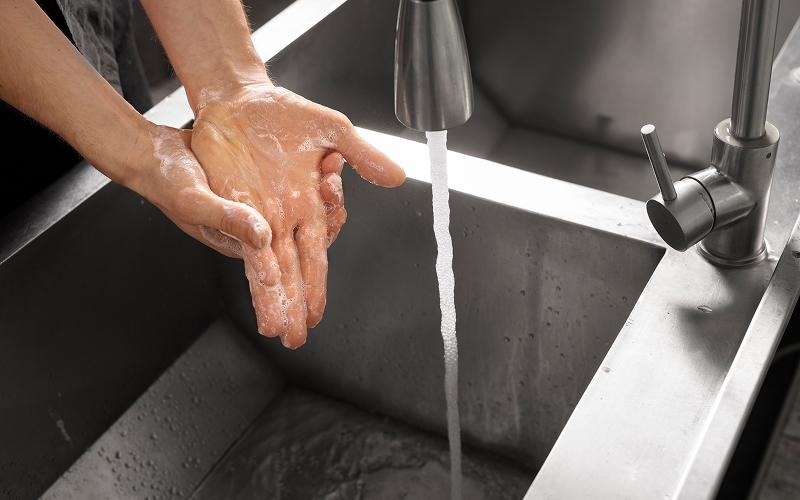
If you’re preparing to work in food services, you’ve likely heard about the food hygiene certificate in Singapore. But here’s a secret many people overlook: not having one can end your career before it even begins. Whether starting a hawker stall or working in a restaurant kitchen, the food hygiene and handling certificate is more than a formality. It’s a legal requirement and a practical foundation that can make or break your business. You might be wondering, “Can’t I just learn on the job?” Sure, you can, but would you trust a surgeon who skipped medical school? This is about protecting lives—yours, your customers’, and your business’s.
What the WSQ Food Hygiene Course Covers
The Workforce Skills Qualifications (WSQ) system ensures that all certified courses meet nationally recognised standards. The WSQ Food Safety Course Level 1, for instance, covers personal hygiene, proper food handling, pest prevention, cross-contamination, and what to do when something goes horribly wrong.
One of the most eye-opening lessons from the course is just how quickly things can go downhill. A single lapse in temperature control, for example, can turn a delicious dish into a breeding ground for bacteria.
You’ll learn real-world applications and perform simulations, such as correctly storing raw and cooked food or recognising spoilage signs. This structured learning is invaluable for anyone in the F&B industry.
Most importantly, the food hygiene and handling certificate ensures you’re not just guessing when it comes to cleanliness and safety. You’re trained to act decisively and correctly, even under pressure.
Singapore’s Foodborne Illness Reports
The importance of food hygiene is backed by hard statistics. According to Singapore’s Ministry of Health, food poisoning outbreaks continue to be reported yearly, even in regulated environments.
Incidents like the Spize restaurant food poisoning case, which tragically led to a fatality, highlight how even minor hygiene lapses can snowball into severe consequences. When public trust in your establishment plummets, so does your revenue.
One viral post or NEA downgrade, and you’re done. That’s why the NEA mandates certification for all food handlers. They understand that the safest kitchens are run by people who know what they’re doing.
Training providers like to follow WSQ guidelines to ensure participants gain theoretical knowledge and demonstrate it in assessments. The stakes are high, and the WSQ course is designed to ensure you’re truly ready.
What Happens If You Skip It?
Let’s say you skip the food hygiene certificate in Singapore. What’s the worst that could happen? The answer: a lot.
The NEA has the authority to fine, suspend, or shut down operations that fail hygiene inspections. And these inspections aren’t announced ahead of time.
But beyond regulatory action lies something more damaging—your reputation. A customer gets sick. They leave a Google review. It goes viral. Before you know it, your name is associated with food poisoning, not good food. Worse still, legal action could follow if negligence is proven.
Even employees without proper certification could drag a business down. Employers are liable, and they face repercussions if their staff aren’t certified. In short, skipping certification is like playing Russian roulette with your livelihood.
How to Get Certified Without Stress
Thankfully, getting your food hygiene and handling certificate isn’t rocket science. The WSQ Level 1 course can be completed in a day and costs less than a nice dinner at a restaurant. Providers offer flexible options, including weekend classes and different language mediums.
What can help is showing up prepared. Familiarise yourself with basic hygiene practices before attending. Dress comfortably and bring a pen—you’ll be completing both theory and practical assessments. The pass rate is high, but only if you pay attention.
Once you’ve passed, your certification is valid for five years, with a refresher course required for renewal. It’s an investment that pays off by keeping you in good standing with the law, your employer, and the people who eat your food.
Skip the Certificate, Risk the Kitchen
Food safety might not be the most glamorous part of the food and beverage industry. It’s certainly one of the most essential. The food hygiene certificate in Singapore is a shield against disasters. From understanding how bacteria multiply to learning how to handle raw chicken without cross-contaminating your prep table, the food hygiene and handling certificate is a comprehensive safety net. Whether running a hawker stall, serving at a café, or supervising a kitchen, it’s essential. It protects your customers. It protects your reputation. And ultimately, it protects your future.
So if you’re serious about serving food in Singapore, there’s only one move left: get certified now before it’s too late. Check out Avanta Academy today.
