

Choosing the right school for your child involves weighing a number of important factors — from academic performance and pastoral care to facilities and co-curricular opportunities. One element that often gets less attention, but can have a significant impact on your child’s overall experience, is class size.
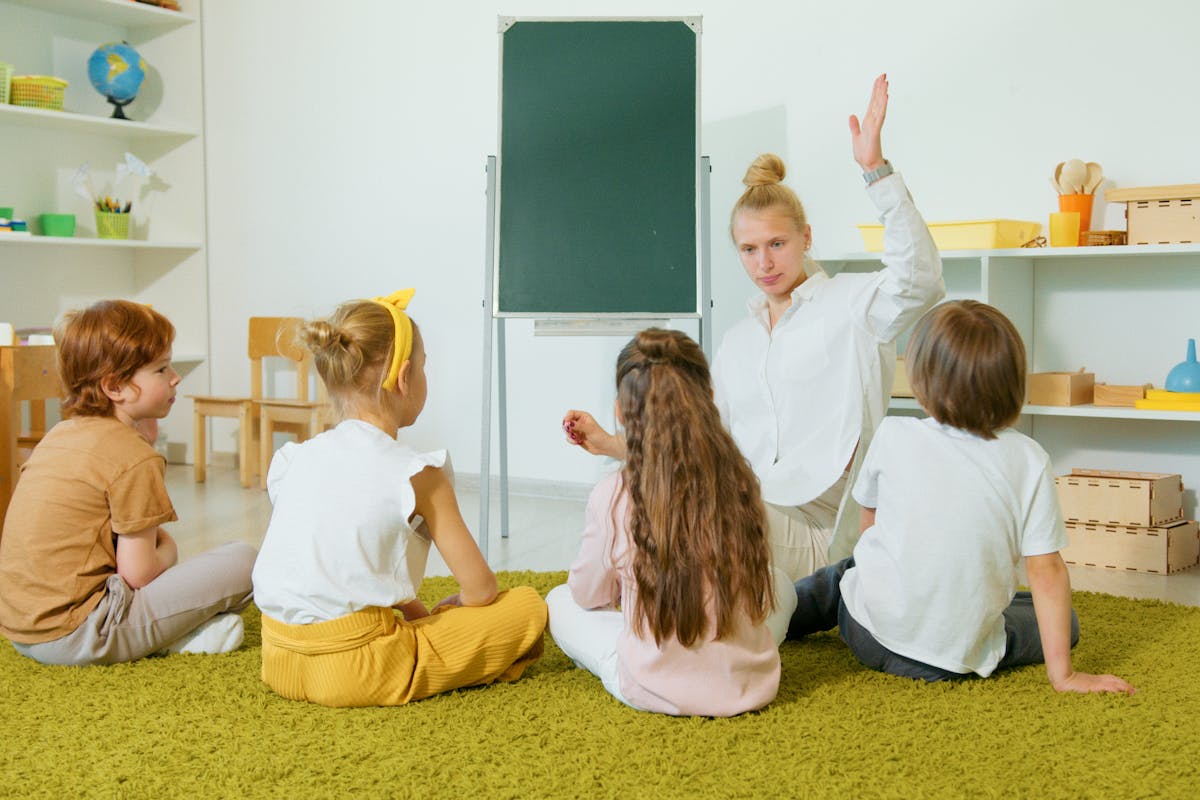
Smaller class sizes are more than just a numbers game. They contribute directly to the quality of teaching, the strength of pupil-teacher relationships and the extent to which your child is seen, heard and supported in their learning journey.
Here’s a closer look at why smaller class sizes truly matter.
More Individual Attention
Perhaps the most widely acknowledged benefit of small class sizes is that they allow teachers to give more personalised attention to each pupil. With fewer children to teach, educators can more easily identify when a pupil needs extra support or is ready to be stretched further.
This leads to more tailored lesson plans, quicker intervention when problems arise and the ability to adapt teaching methods to suit a variety of learning styles. Children are less likely to fall through the cracks and more likely to reach their full academic potential.
Increased Engagement and Confidence
In a smaller class, pupils have more opportunities to contribute, ask questions and take part in discussions. This naturally increases engagement with the material being taught and encourages pupils to become more active participants in their own learning.
It can also be particularly beneficial for children who may be shy or less confident. In a larger group, it is easier for these pupils to remain unnoticed. In a smaller setting, they are more likely to find their voice and build confidence in expressing their ideas.
Stronger Relationships with Teachers
With fewer pupils to support, teachers are better able to build meaningful, trusting relationships with each child. They get to know each pupil as an individual — not just in terms of academic ability, but also personality, interests and emotional needs.
This connection enables teachers to provide better pastoral care and creates a safe, nurturing environment where children feel valued and understood. Such relationships are central to a child’s emotional wellbeing and motivation to learn.
Improved Behaviour and Focus
Small classes tend to be calmer, more focused and easier to manage. With fewer distractions and less crowding, lessons are more productive and transitions between activities are smoother.
Teachers can give clearer instructions and are more able to manage behaviour fairly and consistently. This creates a positive atmosphere where children can focus more easily and where disruptions are minimised.
More Opportunities for Enrichment
In small classes, there is more time and space for additional learning experiences. Pupils might be able to explore topics in greater depth, take part in more project-based learning, or engage in extended discussions.
Group work becomes more manageable, and pupils are often given more responsibility — whether through leadership roles or collaborative activities that require initiative and independence. This supports the development of wider skills such as teamwork, time management and critical thinking.
The Advantage of Independent Education
Smaller class sizes are one of the distinguishing features of many independent schools. For example, many leading schools in London prioritise reduced class sizes to ensure that teaching is personalised and pupils are known and supported as individuals.
In these settings, children benefit from not only academic rigour but also a more tailored educational experience that nurtures the whole child — emotionally, socially and intellectually.
While it is easy to focus on exam results or facilities when choosing a school, it is important to consider the impact of class size on your child’s day-to-day learning experience.
Small class sizes support better academic outcomes, stronger relationships, greater confidence and a more focused, enriched learning environment. In the right setting, these advantages come together to give your child the very best chance of reaching their potential and enjoying their time at school.
