

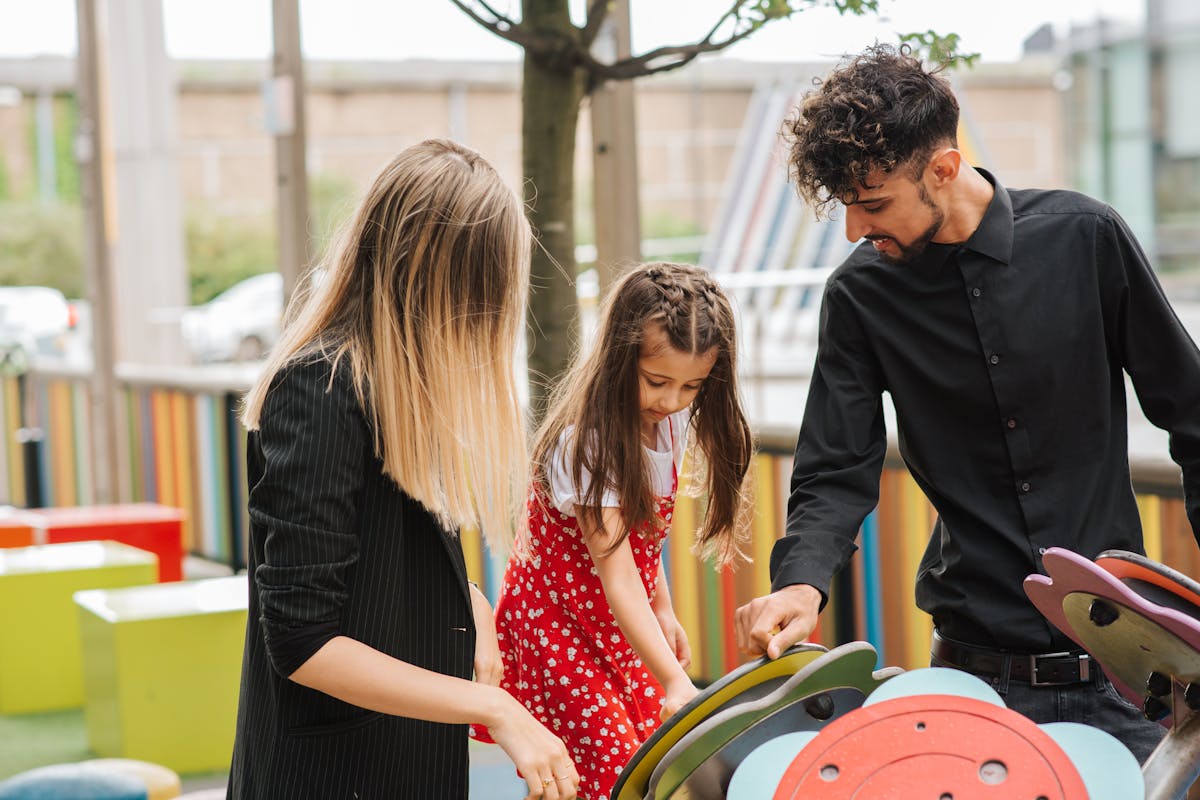
Confidence is not something that appears overnight. It is built gradually – through encouragement, positive experiences, and a sense of belonging. For girls, in particular, confidence can fluctuate at different stages of childhood and adolescence. That is why schools and families play such an important role in nurturing self-belief from the very beginning. When girls feel supported, heard and valued, they are far more likely to thrive academically, socially and emotionally.
The Early Years: Laying the Foundations
This private school in Northwood suggests that confidence starts in the earliest stages of education. In nursery and Reception, girls begin forming ideas about who they are and what they can achieve. At this age, encouragement is key. Praising effort rather than perfection helps young girls understand that mistakes are part of learning.
Providing opportunities for creative play, problem-solving and leadership – even in small ways – allows girls to develop independence. Whether it is choosing activities, sharing ideas in circle time, or taking turns to lead a group task, these experiences build self-assurance. A nurturing environment where every voice is valued lays strong foundations for the years ahead.
Primary School: Finding Their Voice
As girls move through primary school, confidence often grows alongside academic skills. However, this is also a stage where comparisons can begin. Academic pressure, friendship dynamics and social expectations can sometimes affect self-esteem.
Schools can support girls by celebrating a wide range of achievements – not only academic success but also kindness, creativity, resilience and teamwork. Encouraging participation in sport, music, drama and STEM subjects helps broaden horizons and challenge stereotypes.
Importantly, girls should feel safe to express their opinions. Classroom discussions, collaborative projects and leadership opportunities, such as school councils, empower them to speak up and feel that their contributions matter.
The Teenage Years: Navigating Change
Adolescence can be a particularly complex time for confidence. Physical changes, social media influences and increasing academic expectations can all impact how girls see themselves. Research consistently shows that self-esteem can dip during early secondary school years.
Support during this stage must be both proactive and compassionate. Mentoring programmes, pastoral care systems and open conversations about wellbeing can make a significant difference. Teaching girls to view challenges as opportunities for growth encourages resilience.
It is also vital to promote positive role models across a variety of fields – from science and politics to sport and the arts. Seeing women succeed in diverse careers reinforces the belief that their ambitions are valid and achievable.
The Role of Community
Confidence does not develop in isolation. Parents, teachers and peers all contribute to a girl’s sense of self-worth. Clear communication between home and school ensures consistent support. Celebrating effort, encouraging independence and modelling self-confidence are powerful tools in shaping how girls perceive themselves.
Ultimately, supporting girls through every stage of school is about creating environments where they feel capable and valued. When confidence starts early and is nurtured consistently, girls are more likely to approach challenges with curiosity rather than fear. They learn not only to succeed, but to believe that they deserve to succeed.
By investing in girls’ confidence from the very beginning, we empower them to step forward with courage – ready to shape their own futures.
