

Key Takeaways
- Chinese preschools utilise structured daily routines to help children adapt to classroom schedules and expectations before primary school.
- Language activities in Mandarin and English build communication skills, listening habits, and confidence in group settings.
- Early literacy and numeracy are introduced through play-based themes, helping children become familiar with books, numbers, and classroom tools.
- Social skills, emotional regulation, and independence are developed through guided play and daily responsibilities.
Introduction
Parents think about school readiness long before their child reaches Primary One, as a Chinese preschool can feel like a natural starting point for families who want children to build language skills, confidence, and classroom habits early. The child development curriculum in these settings combines structure with play, so learning feels familiar rather than formal. Instead of focusing only on academics, daily routines shape how children learn to listen, participate, and adapt to group environments. Parents can picture what their children’s everyday learning looks like and how small routines contribute to long-term readiness by knowing how Chinese preschools prepare children for primary school.
1. Building Classroom Structure And Routine
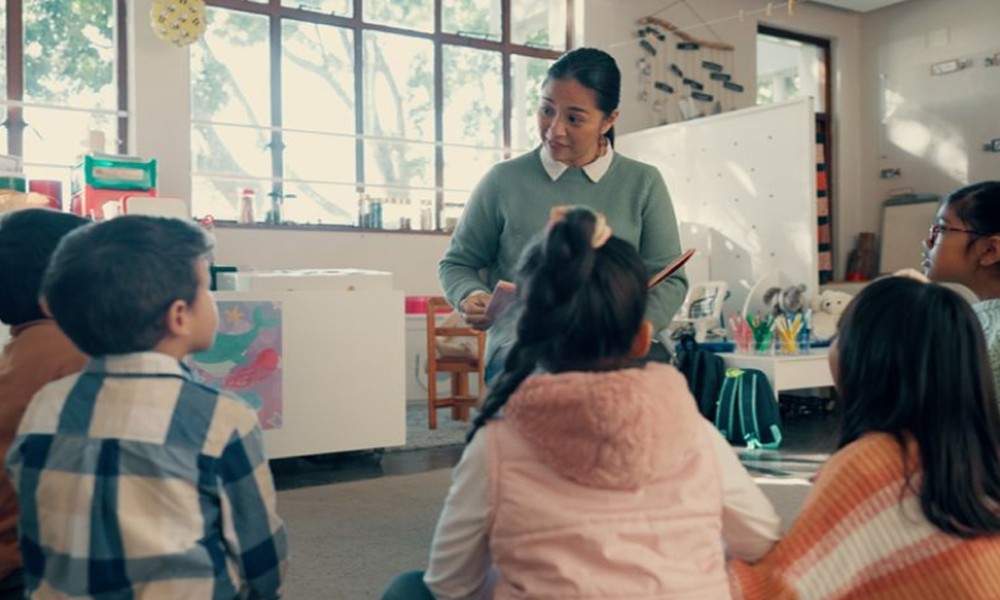
Daily structure forms the foundation of school readiness. Children follow consistent schedules that include arrival routines, group time, activities, and tidy-up sessions. In a Chinese preschool, these routines help children learn transitions, patience, and shared responsibility. The child development curriculum often uses visual schedules and simple instructions to guide behaviour, helping children understand expectations without constant reminders, where children move between lessons and activities with increasing independence and confidence.
2. Language Development And Communication Skills
Language exposure plays a central role in readiness. Children practise Mandarin and English through songs, storytelling, and classroom conversations. A Chinese preschool encourages children to listen carefully, respond to questions, and express needs clearly. The child development curriculum introduces new vocabulary through daily themes rather than memorisation. Children learn to follow instructions, ask for help, and participate in group discussions. These skills support classroom communication in primary school, where listening and speaking become part of daily learning routines and social interaction.
3. Early Literacy And Numeracy Habits
Early reading and number awareness develop through play and guided activities. Children recognise characters, letters, shapes, and numbers through games, books, and classroom displays. In a Chinese preschool, learning happens in short, engaging sessions rather than long desk-based tasks. The child development curriculum links literacy and numeracy to real-life topics such as food, transport, and animals, which builds familiarity with learning concepts while keeping attention spans engaged. Children grow comfortable with learning tools such as books, pencils, and simple worksheets without pressure.
4. Social Skills And Emotional Regulation
Social readiness matters as much as academic ability. Children learn to share, take turns, and resolve small conflicts through guided play. A Chinese preschool encourages cooperation through group activities and partner tasks. The child development curriculum includes emotional awareness, helping children recognise feelings and express them calmly. Teachers model respectful communication and problem-solving, which supports peer relationships. These experiences prepare children for primary school environments where teamwork, patience, and emotional control shape classroom harmony and learning outcomes.
5. Independence And Responsibility
Children gradually learn to manage personal tasks such as packing bags, organising belongings, and caring for classroom materials. In a Chinese preschool, independence grows through daily habits rather than formal lessons. The child development curriculum encourages children to make simple choices and take responsibility for their actions. Children learn to follow instructions, complete tasks, and seek help appropriately. These habits support smoother transitions into primary school, where children manage schedules, materials, and classroom expectations more independently.
Conclusion
Parents often expect school readiness to mean early academic skills, but preparation usually develops through everyday routines, social habits, and emotional growth. Chinese preschools incorporate readiness into daily life through structured activities, effective language use, guided play, and independence-building exercises. The child development curriculum supports gradual growth rather than sudden transitions. Recognising this gap between expectation and daily experience helps parents understand that primary school readiness forms through consistency and environment, not accelerated learning alone. These foundations shape how children adapt when formal schooling begins.
Visit Orange Tree Preschool to learn more about early childhood preparation through Chinese preschools.
