

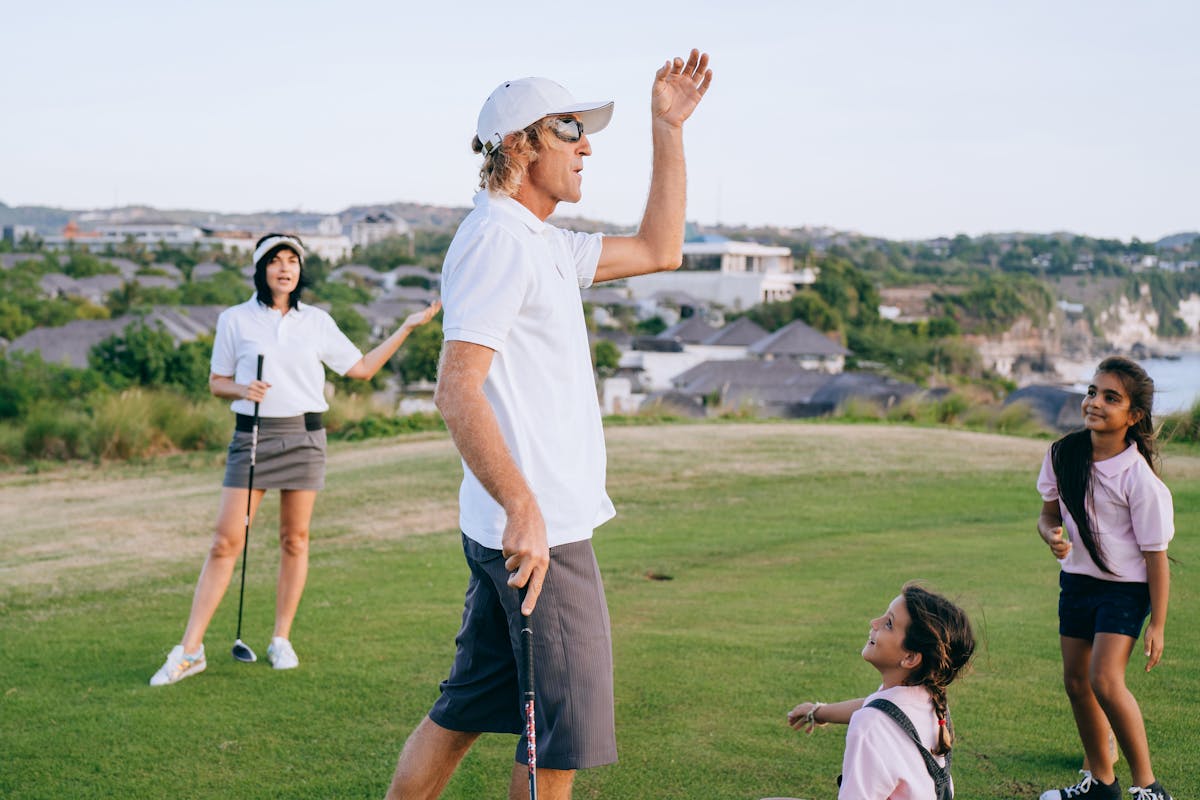
Spending time outside as a family is more than just good fun — it is also a brilliant way to support your child’s education and wellbeing. Outdoor learning allows children to explore the world around them through hands-on experiences that build confidence, curiosity and problem-solving skills. These activities do not require expensive equipment or access to acres of woodland. A park, garden or even a walk around your local area can provide all the learning opportunities you need.
Here are five engaging outdoor learning activities to enjoy as a family, whatever the season.
1. Nature Scavenger Hunts
Scavenger hunts are a fun and flexible way to get children observing their surroundings closely. Create a list of natural items to find, such as a feather, something red, a round stone, a leaf with five points or a bird call. Younger children can use pictures, while older ones might enjoy the challenge of spotting specific species or creating their own hunt. You can incorporate literacy and numeracy too — ask children to write a list, tally their finds or describe textures and colours.
2. Outdoor Storytelling and Creative Writing
Taking stories outside can transform the way children engage with narrative and language. Choose a natural setting and ask children to build a story based on what they see, hear or imagine. A hollow tree could become a fairy’s home, a winding path a route through a jungle. Encourage them to act out scenes, take photos or write about their outdoor adventures. This blends drama, storytelling and creative writing with physical activity and fresh air.
3. Garden Science and Eco Activities
Gardens and green spaces are full of opportunities for hands-on science. Try growing herbs, planting wildflower seeds or creating a bug hotel. Children can observe changes over time, measure plant growth, or keep a nature diary. Composting, rainwater collection or even setting up a bird feeder introduces sustainability in a way that feels tangible and rewarding. These simple activities support early biology, environmental awareness and responsibility.
4. Mapping and Orienteering Skills
Learning to read and draw maps is a valuable skill that combines geography with maths and observation. Use your garden, a local green space or even a family walk as the setting. Help your child create a simple map with labels and symbols, or follow a route using a compass. Older children may enjoy planning a treasure hunt with clues and grid references. It is a fantastic way to practise direction, scale and logical thinking.
5. Outdoor Maths Games
Outdoor spaces are ideal for making maths come alive. Use natural materials like pebbles, leaves and sticks for counting, sorting or creating patterns. Estimate distances between trees, measure shadows at different times of day or collect data on birds spotted in your garden. You can turn everyday walks into number hunts, or time how long it takes to complete a loop and compare results. This playful approach helps make maths feel meaningful and fun.
The Role of Schools in Outdoor Learning
While families can do a lot at home, schools play a vital role in reinforcing outdoor education. Some forward-thinking schools in London actively incorporate nature-based learning into their curriculum through forest school sessions, outdoor classrooms and eco-projects. This approach not only supports academic development, but also encourages teamwork, self-confidence and a stronger connection with the natural world.
Outdoor learning offers families a chance to reconnect — with each other, with nature, and with a sense of adventure. It helps children develop essential skills in a setting that promotes physical health, mental wellbeing and creative thinking. By turning everyday outdoor moments into learning opportunities, you give your child the tools to explore, question and grow in a way that is both joyful and meaningful.
