

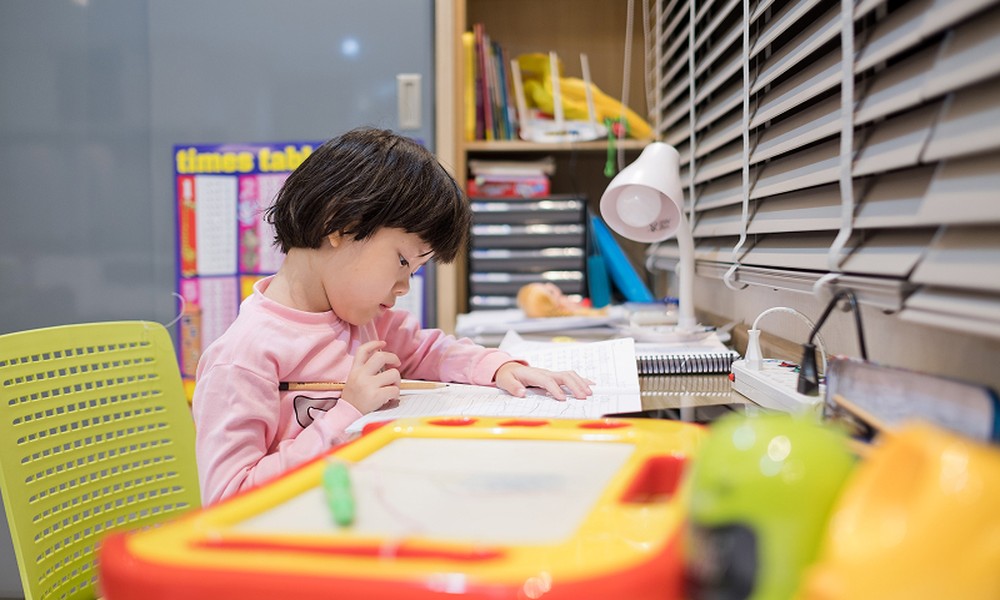
Children respond well to spaces that feel steady, predictable, and warm. A gentle setting strengthens early language growth by giving young learners room to focus without pressure. Mandarin becomes less intimidating when surroundings feel kind, safe, and friendly. A relaxed environment keeps the mind open, and simple routines shape clear pathways for steady progress in early childhood learning.
Some families work with steady-guided guides who understand how young children react to surroundings. Calm settings match early learning needs, especially when sessions rely on simple repetition, light prompts, and friendly interaction. Mandarin builds naturally when children feel secure enough to speak freely.
Why Familiar Spaces Support Steady Listening
A familiar space gives young learners a sense of grounding. Predictable layouts, soft textures, and gentle colours help children stay relaxed during Mandarin sessions. When distractions stay controlled, younger learners can tune into tones, syllables, and short phrases with fewer interruptions.
Some families enrol their kids in Chinese tuition in Singapore, where teachers use steady layouts and gentle sound cues to maintain attention. Familiar routines influence comfort levels, and comfort strengthens focus. Children recognise patterns easily when environments stay consistent.
A calm area at home works in similar ways. Parents can set up small learning corners with simple picture cards or soft toys linked to Mandarin prompts. Gentle routines help memory stay stable, and children relate sounds to objects with ease.
Rhythms That Build Language Confidence
Young learners respond well to steady rhythms. Predictable speech patterns guide early Mandarin listening. Short, repetitive cues allow children to recognise tones clearly. A peaceful setting strengthens these rhythms, creating room for light play, song, and guided speaking.
An online tutor in Singapore strengthens steady pacing during early sessions to help children settle in. Guided speech with soft pauses encourages young learners to join in without pressure. Calm interactions keep sessions lively yet anchored.
Parents can use similar pacing at home. Simple games, animal sounds, or naming routines bring Mandarin into daily life. Familiar rhythms strengthen recall, and children begin using phrases confidently through repeated exposure.
How Calm Settings Support Playful Expression
Mandarin learning grows when expression feels natural. A calm environment invites young learners to experiment with words, sounds, and short sentences. Play sessions grow richer when children sense no judgement. A friendly space encourages them to speak without hesitation.
Programmes offering Chinese tuition in Singapore use story corners, puppet sets, and picture boards to spark imagination for their younger students. Young learners respond well to props that feel familiar. Interaction with objects encourages playful speech without the weight of formal instruction.
Home settings can mirror these elements. Parents can use soft toys, toy food, or small figurines to prompt short Mandarin exchanges. Children enjoy simple role-play scenes, and each playful exchange strengthens comfort.
Gentle Sounds and Predictable Cues
Sound quality shapes early language exposure. Calm surroundings help young learners catch light tones and rhythm changes in Mandarin. Busy environments make subtle sounds harder to notice, leading to fragmented learning sessions.
An online tutor in Singapore may introduce small sound cues like tapping, clapping, or humming to guide learners through activities. Predictable sounds anchor attention and give children a clear sense of timing during speech.
Families can recreate similar cues at home. Simple sounds such as gentle tapping on tables or soft musical patterns help children stay engaged. Light audio routines offer stable listening experiences, making early Mandarin phrases easier to recall.
Small Details That Influence Focus
Consistent seating, reachable materials, and gentle lighting help children settle into Mandarin practice. Chinese tuition in Singapore needs to be clutter-free to invite concentration. When young learners feel familiar with a space, they move through activities smoothly.
Children’s tuition centres keep shelves low, props simple, and materials organised. These small details strengthen focus by reducing overstimulation. Children know where items belong, and predictable organisation removes unnecessary distractions. Parents can apply similar principles. A small tray of materials, picture cards in one stack, and toys placed neatly encourage children to approach learning without feeling overwhelmed.
How Familiarity Encourages Steady Progress
Mandarin learning grows through repeated contact with familiar words and sounds. Young learners build confidence when environments stay steady. Calm surroundings help children feel brave enough to repeat phrases, answer prompts, and form short sentences during early learning stages.
Sessions led by an online tutor in Singapore often revisit familiar themes such as animals, food, or daily routines. Repeating known topics lowers anxiety and strengthens stable memory growth. Mandarin becomes part of everyday life rather than an isolated subject.
Parents can maintain similar themes at home. Repeated exposure with gentle pacing gradually strengthens confidence. Familiarity forms a comfortable base where early Mandarin can grow without strain.
Calm, Familiar Spaces That Nurture Mandarin Growth
A calm, familiar setting offers young learners the comfort needed for steady Mandarin growth. Predictable routines, soft cues, and gentle surroundings encourage children to speak freely, listen with clarity, and enjoy early language practice. Supportive environments at home or in guided sessions play a strong role in shaping positive learning experiences. Contact LingoAce to begin steady-guided Mandarin sessions for your child.