

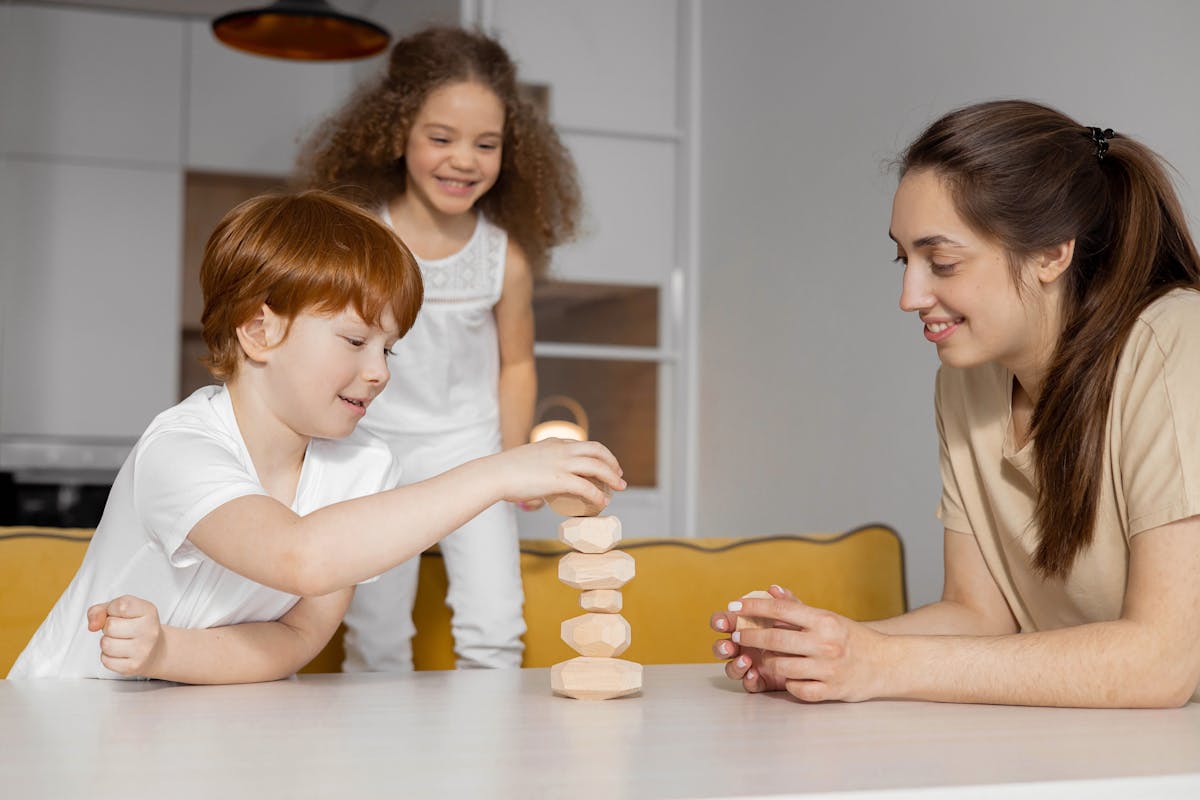
As a parent, watching your child grow and interact with the world is incredibly rewarding—but it can also raise questions. What if they struggle to make friends? Or feel shy in group settings? Social skills aren’t just “nice to have”; they play a crucial role in your child’s confidence, emotional wellbeing, and long-term success. The good news? These skills can be nurtured with the right support at home.
Why Social Skills Matter for Children
Social skills help children communicate effectively, build relationships, and navigate everyday situations, such as in school. From sharing toys to resolving disagreements, these abilities shape how your child connects with others.
Children with strong social skills are more likely to:
- Build meaningful friendships
- Develop empathy and understanding
- Feel confident in social situations
- Perform better in school environments
Common Social Challenges Children Face
Every child is different, but many experience similar hurdles when developing social skills.
Shyness or Social Anxiety
Some children may feel overwhelmed in new environments or around unfamiliar people.
Difficulty Sharing or Taking Turns
This is especially common in younger children still learning boundaries.
Trouble Understanding Social Cues
Recognising facial expressions, tone of voice, or body language can take time to develop.
Practical Ways to Support Your Child
Helping your child improve their social skills doesn’t require complicated strategies. Small, consistent actions can make a big difference.
1. Model Positive Behaviour
Children learn by observing. Show them how to:
- Greet others politely
- Listen actively
- Express feelings calmly
2. Encourage Play and Interaction
Organise playdates or group activities where your child can practise socialising in a relaxed setting.
3. Teach Emotional Awareness
Help your child identify and label emotions—their own and others’. This builds empathy and improves communication.
4. Role-Play Social Situations
Practise common scenarios together, such as:
- Introducing themselves
- Asking to join a game
- Handling disagreements
The Role of Technology and Resources
There are also helpful tools and resources designed to support children’s social development. For example, structured programmes and expert advice can provide additional guidance for parents navigating these challenges.
Signs Your Child Is Making Progress
Improvement in social skills often happens gradually. Look out for signs such as:
- Increased willingness to engage with others
- Better communication of feelings
- Improved ability to resolve conflicts
- Growing confidence in group settings
Even small wins—like initiating a conversation—are worth celebrating.
When to Seek Extra Support
If your child consistently struggles despite your efforts, it may be helpful to seek professional advice. Early support can make a significant difference in their development.
Supporting your child with their social skills is one of the most valuable investments you can make in their future. With patience, encouragement, and the right tools, your child can develop the confidence to navigate social situations with ease.
