

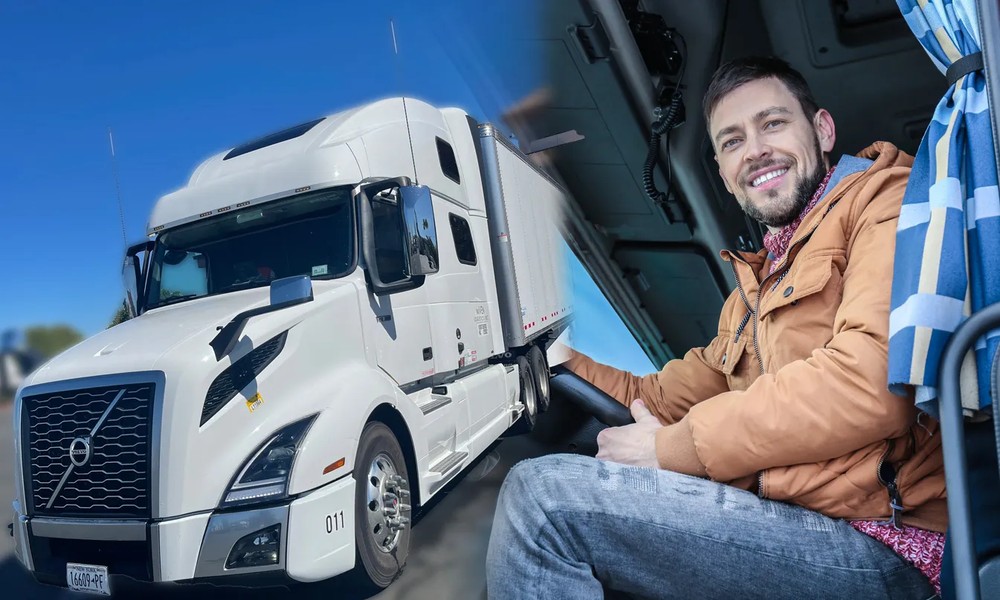
There is more to life on the open road than just turning a key and stepping on the gas. For aspiring truck drivers, mastering a spectrum of skills before the first big haul is not only wise, it is essential for safety, efficiency, and long-term career growth.
Essential Technical Skills: Manual vs. Automatic Transmission Mastery
The first hurdle many new drivers face is understanding the differences between manual and automatic transmissions. Gears are not just about moving forward or backward; they are about control, power, and adaptability. Manuals offer a direct feel of the engine, demanding coordination between clutch and gear stick. Automatics, on the other hand, simplify driving by handling the shifting for you.
Understanding Vehicle Controls: Comparing Gear Systems
Manual transmissions require drivers to manage gear changes smoothly, especially when hauling heavy loads or navigating challenging terrain. Automatic trucks come with fewer distractions, but some argue they reduce the tactile feedback a driver receives from the vehicle.
Pros and Cons of Manual and Automatic Driving for New Truckers
| Feature | Manual Transmission | Automatic Transmission |
|——————————-|——————–|———————–|
| Learning Curve | Steep | Gentle |
| Driver Fatigue | Higher | Lower |
| Control in Difficult Terrain | Greater | Moderate |
| Maintenance Costs | Generally Lower | Slightly Higher |
Training Techniques for Each Transmission Type
Training for manual gear systems typically involves simulated scenarios and repetitive clutch practice. For automatics, the focus shifts to situational awareness and efficient braking techniques.
Navigational Skills: Traditional Maps vs. Modern GPS Technology
While GPS technology has transformed route planning, paper maps still hold a crucial place in a trucker’s toolkit. Technology can fail, but a map never runs out of battery.
Using Paper Maps: Benefits and Limitations
Paper maps encourage spatial awareness and help drivers visualize alternative routes. However, they lack real-time updates and can quickly become outdated.
GPS Systems: Efficiency and Dependence Risks
GPS units streamline navigation, rerouting drivers around traffic jams and construction zones. Yet, over-reliance can backfire when signals drop or maps are inaccurate. The risk of “blind-following” has led many into tight spots or low-clearance bridges.
Hybrid Approaches: Combining Both for Safer Routes
A seasoned driver knows that using GPS alongside a paper map is the safest bet. Double-checking routes can prevent detours that cost both time and money.
Safety Protocols: Defensive Driving vs. Reactive Driving
Staying safe on the road hinges on anticipating problems, not just reacting to them.
Principles of Defensive Driving: Anticipation and Prevention
Defensive drivers keep a wide berth, scan constantly, and always have an escape plan. It is less about speed and more about foresight, recognizing hazards before they escalate.
Reactive Driving in Unexpected Situations: When and How to Respond
No one can predict every situation. When the unexpected happens, quick reflexes and calm decision-making come into play. The best training programs include both proactive and reactive skills.
Evaluating Training Programs Focused on Each Approach
Not all programs are equal. Those emphasizing scenario-based training typically produce safer, more adaptable drivers.
Load Management: Manual Loading Techniques vs. Automated Systems
Cargo must not only be loaded but secured. Manual techniques include proper lifting, stacking, and balancing, while automated systems simplify the process using hydraulic lifts or conveyors.
Physical Loading Skills and Best Practices
Manual loading hones attention to detail and physical strength, ensuring the cargo’s center of gravity is stable and all items are secure.
Leveraging Technology for Load Securing and Monitoring
Automated tie-downs and real-time weight sensors have reduced accidents due to shifting loads.
Impact on Driver Safety and Cargo Integrity
Well-secured cargo is a non-negotiable standard; both methods have their place, but technology is closing the gap on human error.
Communication Skills: Traditional Radio vs. Digital Communication Platforms
The CB radio is still a lifeline in remote stretches where cell signals vanish. Quick shoutouts to fellow drivers can warn of hazards up ahead.
Using CB Radios: Advantages in Remote Areas
CBs are reliable, simple, and do not depend on cell towers. They allow for instant contact with nearby drivers.
Digital Apps and Platforms: Real-Time Updates and Connectivity
Messaging apps and fleet management platforms offer real-time updates but can be a distraction if used unwisely.
Balancing Both Methods for Effective Communication
A combination of both is ideal, CB for emergencies, digital for fleet updates and logistics.
Regulatory Knowledge: Paper-Based Documentation vs. Electronic Logging Devices (ELDs)
Paper logs require meticulous handwriting and manual calculations. ELDs automate hours-of-service tracking but come with their own learning curve.
Navigating Paper Logs and Compliance Checks
Mastery here means passing roadside inspections and avoiding costly fines.
Transition to ELDs: Benefits and Challenges
ELDs reduce paperwork but can create technical headaches for the uninitiated.
Comparative Impact on Driver Efficiency and Legal Compliance
Drivers who can handle both systems are flexible and less likely to be caught out by regulatory changes.
Physical and Mental Preparedness: Solo Driving vs. Team Driving Dynamics
Driving alone can test both body and mind. Long hours and isolation are part of the job.
Coping Mechanisms and Health Practices for Solo Drivers
Regular breaks, exercise routines, and staying connected with loved ones help solo drivers maintain balance.
Collaboration and Shared Responsibilities in Team Driving
Team drivers split the workload, share responsibilities, and often keep the truck moving longer.
Choosing the Right Approach Based on Lifestyle and Job Demands
Some thrive on solitude, others on camaraderie, knowing your preference is key before you commit.
Continuous Learning: Formal Training Programs vs. On-the-Job Experience
Textbooks and simulators only go so far. The real test comes when rubber meets the road.
Structured Curriculum Benefits and Limitations
Formal programs, such as those offered by DTR School of Trucking, provide foundational knowledge and safety protocols, but they cannot replicate real-world unpredictability.
Learning Through Practical Experience: Risks and Rewards
Mentorship and day-in, day-out driving build confidence and judgment that no classroom can teach.
Combining Both for Holistic Skill Development
The best drivers are lifelong learners, blending formal instruction with practical wisdom acquired over miles.
Mastering these skills sets the stage for a safe, professional, and rewarding trucking career, one where every mile is backed by knowledge, preparation, and adaptability.
