

Key Highlights
- Playgroups serve as an initial transition from home life to a social classroom environment for children aged eighteen to thirty months.
- Early socialisation through structured play helps toddlers develop vital communication skills and emotional regulation before formal schooling.
- Government subsidies and varied price points allow families to find programmes that align with their financial requirements.
Introduction
For many families, the transition from home care to a structured educational environment begins long before a child reaches the age of four. A playgroup typically caters to toddlers between the ages of eighteen and thirty months, providing a gentle introduction to the world outside their immediate family circle. Unlike more intensive academic programmes, these sessions prioritise sensory exploration and social interaction within a safe, supervised setting. In Singapore, these early programmes offer children the opportunity to interact with peers and develop basic independence. Parents often view this stage as a foundational period where children learn to navigate group dynamics and follow simple routines, which significantly eases the eventual transition into full-day nursery or kindergarten levels.
Social and Developmental Milestones in Early Childhood
The primary objective of any playgroup involves the cultivation of social-emotional skills through purposeful interaction. At this developmental stage, children move away from parallel play, where they play alongside others without interaction, toward more collaborative activities. Educators facilitate this growth by introducing group storytelling, music sessions, and shared art projects that require basic cooperation. Institutions such as Raffles Kidz International design their toddler programmes to encourage these social bonds, ensuring that every child feels secure while exploring new boundaries. By interacting with a diverse group of peers, toddlers begin to understand empathy and the importance of sharing, which are critical building blocks for their future interpersonal relationships and classroom behaviour.
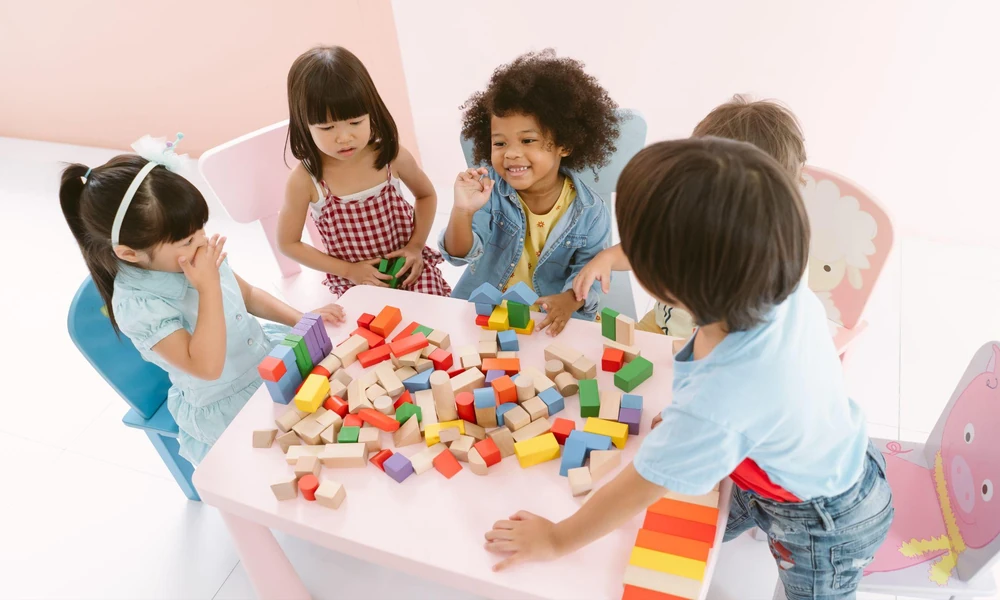
Beyond socialisation, these programmes target the development of both fine and gross motor skills. Activities such as stacking blocks, threading large beads, or navigating indoor play gyms help refine physical coordination and spatial awareness. Because the brain undergoes rapid development during these months, exposure to a variety of textures, sounds, and movements stimulates cognitive growth. Raffles Kidz International incorporates multi-sensory experiences into its daily schedule to keep young minds engaged and curious. This structured approach to play ensures that children stay occupied while actively learning how to manipulate their environment and solve simple physical puzzles. These early wins build the self-confidence a child needs to tackle more complex tasks as they grow older.
Navigating Financial Planning and Facility Selection
When researching early childhood options, parents must consider the logistical and financial aspects of various centres. A significant portion of the decision-making process involves comparing preschool fees in Singapore, which vary based on the centre’s location, facilities, and the duration of the programme. For example, in Raffles Kidz International, fees can range from SGD$ 1,550 to SGD$ 1,700. While some families opt for short, two-hour sessions, others require longer hours that align with their professional commitments. It is crucial to note that the government provides different levels of subsidies for Singaporean children, which can significantly reduce the out-of-pocket expenses for eligible households. Understanding the fee structure early allows parents to balance their desire for a comprehensive curriculum with their specific household budget.
Selecting the right environment also requires a close look at the safety protocols and teacher-to-student ratios. Because toddlers require constant supervision and frequent physical assistance, a lower ratio ensures that every child receives the necessary care and attention. When visiting a playgroup, observe how the staff handle transitions and how they manage the emotional outbursts common in this age group. Raffles Kidz International maintains specific safety standards and provides clean, age-appropriate spaces that minimise the risk of injury during active play. You should also enquire about the school’s communication methods, as regular updates on your child’s milestones provide peace of mind. By visiting multiple centres and asking detailed questions about the daily routine, you can identify a space where your child feels both challenged and protected.
5 Critical Benefits of Early Socialisation
- Language Acquisition – Frequent interaction with teachers and peers accelerates vocabulary growth and the use of simple sentences.
- Routine Establishment – Following a consistent schedule for snacks, play, and nap times helps toddlers develop a sense of security.
- Independence Building – Children learn to manage basic tasks such as putting away toys and washing their hands with minimal assistance.
- Separation Resilience – Short sessions help children adjust to being away from their primary caregivers in a supportive environment.
- Sensory Enrichment – Exposure to different materials, including sand, water, and dough, stimulates neural connections and curiosity.
Conclusion
Enrolling your child in a playgroup is a strategic decision that supports their holistic development during the most formative years. By providing a bridge between home and school, these programmes ensure that your toddler gains the social and motor skills necessary for future success. While navigating preschool fees in Singapore and choosing between various operators can seem daunting, focusing on your child’s specific needs will guide you to the right choice. Institutions like Raffles Kidz International demonstrate how a thoughtful, play-based approach can turn the first school experience into a joyful journey of discovery. Ultimately, the goal is to foster a love for learning and a sense of belonging in your child. With the right support and a nurturing environment, your toddler will enter their next stage of education with the confidence and resilience to thrive.
Contact Raffles Kidz International to give your toddler a confident start with a programme that balances structured learning and creative play.
